

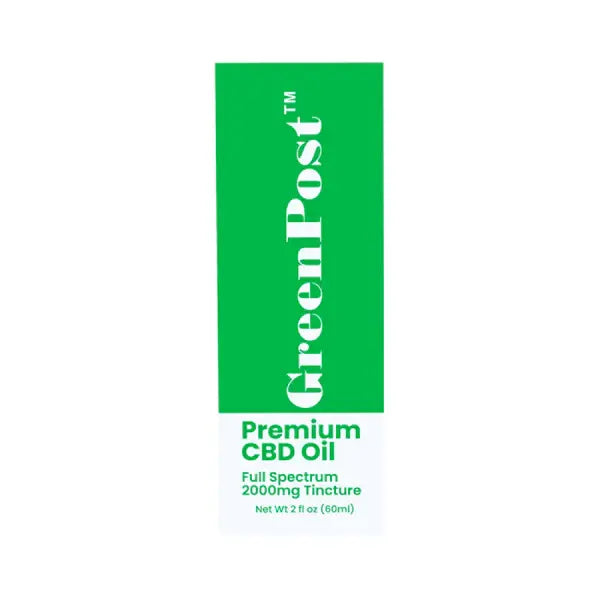
The best time to take CBD depends on your body’s rhythm, goals, and lifestyle. Many people reach for CBD to support calm, balance, focus, or sleep but when you take it can greatly influence how it works.
Timing is more than convenience it directly affects CBD absorption, bioavailability, and how your body responds. Whether you prefer CBD as part of your morning routine to start your day with clarity or as an evening ritual for CBD sleep support, understanding when it works best for you can maximize its potential.
This article explores how CBD interacts with your system, the benefits of taking it in the morning versus night, and how to build a balanced daily routine that fits your wellness goals.
Understanding How CBD Works
CBD, short for cannabidiol, is one of the many naturally occurring compounds found in the hemp plant. Unlike THC, it doesn’t produce any psychoactive effects. Instead, CBD interacts gently with the endocannabinoid system (ECS) a network of receptors throughout your brain and body responsible for regulating mood, sleep, appetite, pain, and overall balance.
When you take CBD, it influences your ECS to help your body maintain homeostasis, the state of internal stability. This is why some people find CBD helpful for relaxation, focus, or improving rest depending on when it’s taken and in what amount.
Several factors determine how effective CBD will be:
- Dosage and frequency
- Form of CBD (oil, capsule, edible, topical, etc.)
- Individual metabolism and tolerance
- Timing of use
Understanding these variables is essential for discovering the right CBD oil dosage and best time to take it.
What Is Bioavailability and Why It Matters?
When discussing timing and dosage, one crucial concept is bioavailability the percentage of CBD that actually enters your bloodstream and becomes active in your body.
Different methods of taking CBD influence how much is absorbed and how quickly it works:
|
Form of CBD |
Onset Time |
Bioavailability |
Duration of Effects |
|
CBD Oil (sublingual) |
15–30 minutes |
20–30% |
4–6 hours |
|
CBD Edibles |
45–90 minutes |
5–15% |
6–8 hours |
|
CBD Capsules |
30–60 minutes |
6–20% |
6–8 hours |
|
CBD Vapes |
5–10 minutes |
30–50% |
2–3 hours |
|
Topicals |
Localized |
Low |
Up to several hours |
Bioavailability depends not only on the form you use but also on when and how you take it. For instance, consuming CBD oil with a small meal containing healthy fats can improve absorption.
This is why some people prefer taking CBD alongside breakfast, while others find evening doses after dinner more effective for CBD sleep support.

Taking CBD in the Morning: Benefits and Best Practices
1. How CBD Supports a Morning Routine?
Starting your day with CBD can promote balance and focus. Many users report feeling grounded, less anxious, and better equipped to manage daily stress. A CBD morning routine can help enhance mental clarity without causing drowsiness.
Here’s how morning CBD can help:
- Promotes focus and calm for busy mornings
- Supports mood regulation throughout the day
- Eases morning tension or muscle tightness
- May reduce caffeine jitters when taken with coffee
A sublingual CBD oil or capsule can fit easily into your morning habits. Taken with breakfast or right before work, it sets a tone of calm alertness.
2. Ideal Morning Dosage and Timing
There isn’t a universal CBD oil dosage that works for everyone, but a good starting point for morning use is a low to moderate dose (10–25 mg). Gradually adjust based on how you feel.
For best results:
- Take CBD about 30–60 minutes after waking up.
- Pair it with healthy fats (like avocado or nut butter) to increase CBD absorption.
- Keep a consistent schedule your body benefits from routine use.
Morning doses work best for people seeking daytime focus, calmness, or relief from ongoing stress.
Taking CBD at Night: Benefits and Best Practices
1. CBD for Sleep Support
Evening CBD use can help you wind down, especially if you experience racing thoughts or restlessness before bed. CBD sleep support products are designed to calm your nervous system and encourage deep, restful sleep without the grogginess of over-the-counter aids.
Potential benefits include:
- Improved relaxation before bedtime
- Faster sleep onset
- Better sleep quality and duration
- Muscle recovery and restoration
Some people combine CBD with other natural sleep-promoting ingredients, such as chamomile or melatonin, but many find CBD alone to be effective due to its balancing effect on the ECS.
2. Dosage and Timing for Night Use
If your goal is improved rest, take CBD 1–2 hours before bedtime. This allows enough time for it to absorb and start working as you unwind.
A moderate dose of 20–40 mg may support better sleep for most users. However, your ideal dosage depends on factors like weight, metabolism, and how sensitive you are to CBD.
You can experiment gradually: start small, note effects, and adjust timing to align with your body’s rhythm.
Comparing Morning vs. Night CBD Use
Finding the best time to take CBD is personal it depends on your goals and how your body responds. Below is a quick comparison of both options.
|
Timing |
Key Benefits |
Potential Drawbacks |
Best For |
|
Morning |
Promotes focus, reduces stress, balances mood |
Effects may fade by evening |
Productivity, clarity, daytime calm |
|
Night |
Enhances relaxation, supports sleep, aids recovery |
May cause drowsiness if used too early |
Sleep, rest, recovery, relaxation |
Some people find taking CBD twice a day once in the morning and once before bed provides the most consistent results.
Factors That Influence the Best Time for You
Every person’s experience with CBD is unique, and understanding the best time to take CBD depends on how your body processes it. While general guidelines can help, several personal factors influence when CBD works most effectively for you.
1. Body Chemistry and Tolerance
Your body’s chemistry plays a big role in determining how CBD interacts with your endocannabinoid system. Factors like metabolism, body weight, and tolerance levels influence how quickly CBD takes effect and how long it lasts. People with faster metabolisms may feel results sooner but for shorter durations, while those with slower metabolisms may experience longer-lasting effects.
2. Purpose of Use
Your wellness goals should guide your CBD schedule. For instance, taking CBD in the morning helps promote focus, calmness, and emotional balance throughout the day. In contrast, taking it at night can support rest, relaxation, and recovery after long hours of activity or stress. Defining your purpose helps you decide when the product will serve you best.
3. Product Type and CBD Absorption
The form of CBD you choose oil, capsule, edible, or topical determines how quickly your body absorbs it. Sublingual oils typically act faster, while edibles and capsules take longer to digest but last longer. Understanding CBD absorption and bioavailability helps you plan your timing for the most effective results.
4. Consistency and Routine
CBD works best when taken consistently at the same time every day. Your body adapts to regular intake, creating a steady rhythm of balance. Over time, this consistency enhances the compound’s natural effects, making your results more predictable and sustainable.
By observing how your body responds and adjusting timing, dosage, and method, you can personalize your CBD routine to align with your lifestyle and health needs.

Combining Both: Building a Balanced CBD Routine
Many users experience the best results from combining both morning and night doses. This helps maintain balance across your entire day.
Here’s how you might structure a balanced CBD routine:
- Morning: 10–20 mg of CBD oil after breakfast for focus and calm.
- Evening: 20–30 mg about 1 hour before bed for relaxation and recovery.
Keep a journal to track your mood, sleep, and focus levels. Small, consistent adjustments help you personalize your experience.
Tips for Maximizing CBD Effectiveness
Whether your goal is calm focus, stress relief, or better sleep, a few mindful habits can help you make the most of your CBD experience. These strategies not only enhance CBD absorption and bioavailability, but also improve the overall effectiveness of your routine.
-
Choose high-quality CBD products with third-party lab testing. Purity and potency make a significant difference in performance.
-
Start low and go slow. Begin with a small dosage and increase gradually to find what works best for your body.
-
Take CBD with food, ideally something containing healthy fats like avocado, eggs, or nuts. This supports better absorption and helps maintain steady results.
-
Stay consistent with your dosage and timing. Taking CBD at the same time every day helps your body establish equilibrium, especially when you’re still identifying the best time to take CBD for your needs.
-
Monitor your progress in a simple journal. Track how long it takes for effects to appear, how you feel at different times of the day, and how various doses impact you.
-
Maintain proper hydration and nutrition. Both play a role in how efficiently your body processes CBD.
- Avoid mixing with alcohol or heavy stimulants, as these can interfere with CBD’s natural calming properties.
By following these tips, you can create a consistent, effective, and personalized CBD experience. Over time, small improvements in timing, dosage, and lifestyle alignment can significantly enhance the benefits of your CBD routine.
Common Mistakes When Taking CBD
Even small errors can reduce CBD’s effectiveness. Avoid these common pitfalls:
- Taking it inconsistently or skipping doses.
- Not tracking dosage or changes in how you feel.
- Using CBD on an empty stomach, reducing absorption.
- Choosing products without verified third-party testing.
- Expecting instant results CBD’s benefits accumulate gradually.
Learning how your body responds will help you fine-tune both the CBD oil dosage and timing.
Conclusion
Ultimately, the best time to take CBD depends on what you’re hoping to achieve. A morning dose may help you start your day focused and calm, while an evening dose supports rest and recovery. Some people find balance in taking CBD at both times.
Experimentation and consistency are key listen to your body and adjust your schedule to fit your needs.
At GreenPost CBD, we believe in helping you make informed choices about your wellness routine. Whether you use CBD to support calm mornings, restful nights, or everyday balance, understanding timing and dosage empowers you to get the most from every drop.
Frequently Asked Questions (FAQ)
1. What’s the best time to take CBD oil for anxiety?
Morning use works well for managing daytime anxiety, as it promotes calmness and focus. However, if anxiety disrupts your sleep, try taking CBD in the evening.
2. Can I take CBD both in the morning and at night?
Yes. Many users take smaller doses twice a day to maintain consistent levels and long-lasting benefits.
3. How long does CBD take to work after taking it?
Onset depends on form: sublingual oils work in 15–30 minutes, while edibles or capsules can take up to 90 minutes.
4. Does food affect CBD absorption?
Yes. Taking CBD with a meal containing healthy fats improves bioavailability, helping your body absorb it more efficiently.
5. Can I change my CBD schedule after starting?
Absolutely. Your body’s needs may shift over time. Adjust dosage or timing gradually to maintain desired effects.



Leave a comment
This site is protected by hCaptcha and the hCaptcha Privacy Policy and Terms of Service apply.